I have actually seen a silent barn aisle develop into a class, a therapy room, and occasionally an event. Steeds appear to gather individuals that may not feel comfortable in other places, and they offer us an honest mirror. That mirror can be tough, yet it is never vicious. Succeeded, healing horsemanship produces a place where nervous children locate strong ground, hectic minds resolve right into rhythm, and groups find out the simple art of listening.
What we suggest by healing horsemanship
The phrase covers a large range of equine-assisted solutions. Some programs focus on mounted lessons that develop balance, attention, and interaction. Others run unmounted equine-assisted activities, where participants find out to lead, bridegroom, and job from the ground. There are also coaches who utilize horses as companions in equine-facilitated mentoring for management and personal advancement, and specialists supplying equine-facilitated wellness that draw from psychological health and somatic techniques. The common string is experiential learning with horses, where feedback gets here via activity, breath, and the steed's response.
Horses are target pets. Their survival relies on reading body movement and power long in the past words show up. This sensitivity is the silent engine of restorative job. If you change your breathing, a horse will certainly often alter theirs. If your focus scatters, the steed tells you. If your objective steadies, doors open. It is hard to fake authenticity around a 1,000 extra pound psychophysiological feedback device with a mane.
A day in the arena
On Tuesday nights I meet Leo, a nine-year-old in our autism equine finding out program. He loves maps and dislikes loud mirrors. We begin in the edge of the indoor where the noise discolors and the dirt light softens. He brushes our mare, Poppy, with slow-moving circles. We count with each other. One to ten on the shoulder, after that change sides. When his hands obtain quickly, Poppy shifts her weight. We stop, extend fingers, return to circles. After a couple of weeks, Leo began asking to lead Poppy across ground poles. He made use of to rush them. Currently he looks up, factors with his belly button, and they action, action, time out. He grins when they land a quiet stop right at the cone.
On Thursday early mornings, I collaborate with a 34-year-old teacher named Marisol that brings persistent anxiousness like a knapsack that never comes off. We start in hand with a gelding called Finn and a simple pattern. Stroll, halt, back 2 steps, breathe. When her ideas crowd in, her hands approach the lead rope, and Finn supports. We reset by naming three forms we can see in the arena, growing our feet, and letting the rope get soft once more. In time her body finds out a brand-new series. Notice, clear up, ask. She informs me she makes use of the very same pattern before moms and dad conferences.
There are also Saturday sessions for team structure with horses. A marketing team will certainly can be found in persuaded this is a trust fund loss with hay bundles. 10 mins later they will be puzzling over why their plan to push a horse with a U-shaped chute fizzled. The horse stood there blinking while the team questioned. A quiet intern stepped in, softened her arms, and the steed complied with a contour of space she developed. That is equine-assisted training in a nutshell. You can not speak a thousand extra pounds into a new tale. You have to behave it.
What makes the barn feel like belonging
Belonging is not a poster. It is a collection of tiny moments that tell individuals this location can hold them. The rituals assist. Names take place the white boards at the beginning of every hour. Every equine's preferences are published on the brushing sets. Safety helmets obtain fitted without excitement. We maintain spare wintertime gloves in a clean bin and a couple of weighted lap pads tucked close by for customers who resolve with pressure. There is a reduced bench by the door for early shifts, with fidget bands that can stand up to boots.
The volunteers make the remainder. Excellent volunteers discover to be side-walkers and silent allies. They expect the flinch that says a band rubbed too tight or the hesitation that means sensory overload. They exercise being present without fixing. One of our ideal side-walkers learned to hum the exact same song an individual's mommy utilized in the house. That gentle thread turned an unsteady trot into a string of consistent strides.
We likewise develop option right into sessions. A client who avoids the placing block can start with leading. An individual who hates the indoor lighting can function outside by the fencing line if ground permits. The factor is development, not forcing the exact same shape for everyone.
What changes, and how it has a tendency to unfold
People commonly ask what results to anticipate. The honest answer is that modification often starts with the fundamentals, then radiates. Balance enhances for numerous cyclists within 8 to 12 weeks of once a week sessions. That may look like longer holds in 2 factor, steadier hips at the walk, or fewer collapses with one side. For others, the first change is co-regulation. We see taking a breath slow to match the equine's rhythm. As soon as a participant really feels that swing and locates the four-beat stroll, interest widens and speech typically comes more easily.
For ADHD equine discovering assistance, the installed job creates a rhythm that helps organize sequencing. We will turn a chaotic sector into a clear path: blue cones first, then the barrel with the scarf, after that home to the poles. The equine is the metronome. We make the course visible and repeatable. Over sessions, impulsive rushing become deliberate transitions. The steady pressure and release of reins and legs, integrated with the steed's prompt comments, provides structure without scolding.
Alternative treatment for sensory obstacles leans on texture and speed. Some clients crave deep stress and succeed with a larger saddle, a sheepskin pad, and slow, long-lines from the ground before placing. Others obtain overwhelmed by touch and take advantage of verbal grooming video games before they ever pick up a curry comb. I have actually had individuals who might not tolerate wind in the interior but discovered tranquility walking a fenceline route under trees. Somatic recovery with equines commonly begins this way, by satisfying the nerve system where it rests and layering in little resistances, one step at a time.
As for anxiety assistance with steeds, even tiny wins issue. I remember an attorney who could not unclench her jaw long enough to offer a soft ask. We dealt with breath initially. Inhale to the ears, breathe out to the tail. That image gave her something concrete. The minute she really felt Finn yawn and lick, she chuckled. We made use of that laugh as a pen. Gradually, stresses that normally stayed in her chest moved down into her boots and out via the sand. She still carries plenty, but she found a routine that functions without a display or a to-do list.
Making the work safe without draining the life from it
Safety becomes part of belonging. Programs that crumble typically do so at the junction in between treatment and mayhem. A qualified program leader will match equines attentively, revolve work, and look for refined signs of pain. We have a tough quit for equines that pin ears, wring tails more than once, or show an abrupt head-toss in the aisle. It is kinder to retire a horse to foundation than to press it past its perseverance and risk a bad moment.
The same chooses individuals. We evaluate for seizure background, bone thickness problems, and fresh surgical treatments. Placed work may not be suitable for every person. Equine-assisted activities from the ground can be just as abundant, in some cases richer. One of my finest problem-solvers never ever rode. He learned to aggress a walk, notice angled sets, and call a reversal without drawing. The self-confidence he attracted from orchestrating an elegant turn brought into school, where he lastly elevated his hand without prompting.
We maintain emergency strategies easy and rehearsed. Radios billed, gateways latched, release knots only, safety helmets checked for age and fit. Team and volunteers discover how to take a breath prior to giving a guideline. A calm voice and a solitary clear ask turn near-misses right into tales that finish with a high five.
What a session in fact looks like
A regular hour opens with 3 minutes of arrival. Footwear off the mounting block actions, headgears examined, handwear covers adjusted. We ease into responsive contact by welcoming the steed at the shoulder and waiting on a sniff toward the hand. Then grooming, which is not concerning shiny layers even mapping the horse's body. With some clients, we will call the big muscular tissues of the shoulder and hip. With others, we keep a constant pace. Circle, button, circle, button. The routine does part of the regulation.
If we ride, placing is smooth and supported. One side-walker, a steed leader, and a sidewalker instructor if required. The initial loophole is constantly a trip at the walk to see weather, light, and the steed's energy. We add a couple of concentrated jobs. It could be shifts within the stroll, stopping at every letter, or weaving 5 cones with a touch at each. For cyclists working on trunk security, we might collaborate with a bareback pad for a few mins, after that go back to a saddle as power wanes.
If the session is an equine-assisted coaching hour, the strategy looks different. We might start with a standard check of visibility. What do you feeling in your shoulders and jaw. What does the plain sense in you. Then a task like sending an equine via a room without a lead rope. Individuals frequently learn more from what does not function than what does. A tug turns an equine sticky. An open hand at the equine's shoulder welcomes motion. We hang around noticing the micro-adjustments that make all the difference.
Every session gathers gratefulness and a reset. Bikers get down to a sign matter. We stroke the steed's neck and statement on one clear success. The eleventh hour comes from the equine. Head down, lick and eat, possibly a loosened rein and a slow stroll back to the cross ties. That is exactly how we signal an end that feels complete.
Horses who instruct best
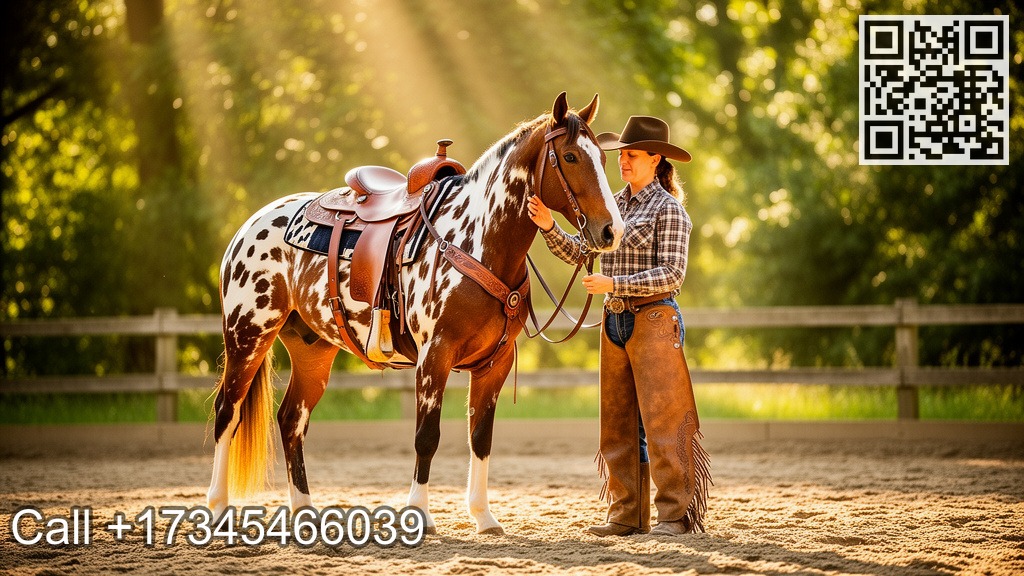
Not every kind horse is a therapy equine. The most effective educators are charitable yet have opinions. An equine who will silently mean a restless cyclist is important, however so is the mare that tips broad when a leader gets tense. That tiny relocation states, check your shoulders. We veterinarian for sturdiness and temperament, then invest months, often a year, in training for program life. Desensitizing to noisy jackets and mobility devices becomes part of it, however the much deeper job is building a cue vocabulary. Stand ways plant all 4 feet. Stroll on means a soft rise, not a bolt. Whoa suggests coating the thought.
Body treatment is nonnegotiable. Adequate yield, regular farrier work, chiropractic or massage therapy as required, and breaks built right into the week avoid burnout. We track work by minutes with motorcyclists at each gait to ensure that no steed silently handles greater than is reasonable. When unsure, we go back to groundwork and freedom sessions to rejuvenate curiosity.
Working together with clinicians
Many barns companion with occupational therapists, physiotherapists, psychological health experts, or certified coaches. Equine-assisted services profit when experts coordinate. An OT may suggest making use of a heavy ball throw at the stop to feed proprioceptive input prior to changes. A specialist could assist a breathing series from a familiar technique used in the office. The riding instructor equates those objectives right into horse-friendly jobs that keep the session risk-free and appealing. The triangle is effective when functions are clear and egos stay small.
When mentoring teams or executives, credentialed equine-facilitated coaching brings structure. We set objectives up front, maintain workouts time bound, and debrief with language that moves to the workplace. It can be as simple as, what did you attempt, what took place in the horse, what happened in you, what will you try next conference. A great debrief supports the barn lesson in Monday morning reality.
When steeds sustain teams
Equine-assisted training for teams remove jargon. You can not speak an equine into straightening with your vision declaration. You either align your body and objective, or the horse opts out. That is the lesson lots of groups need. Nonverbal placement precedes, then approach, then words. A group that finds out to produce room, signal direction plainly, and change without blame will often carry that back to their jobs with fewer potholes.
I when worked with a healthcare system reeling from consistent turn over. We established a job that required the equine to step through a narrow L-shaped corridor. The very first effort degenerated right into three leaders giving contradictory hints. The horse planted. On the second try, the nurse who normally hung back took the facility. She positioned one hand reduced, one high, stopped briefly till her breath dropped, then asked. The horse stepped through. The group named the shift as they saw it. One voice each time. Room for a time out. Authorization to lead without apology. Those sentences ended up on a white boards in their break room.
Measuring growth with humility
Data in this field can be untidy. Improvements in balance are most convenient to evaluate. We can track independent minutes at the stroll, less touches from side-walkers, smoother changes, or series of motion gains. Psychological policy and social skills usually turn up in quieter pens. A biker who utilized to bolt throughout the field currently waits on the placing block. A teen that never made eye contact previously will certainly look up when the steed flicks an ear. For some families, the most effective metric is a weekly yes as opposed to a fight in the car.
We prevent encouraging miracles. Equines are not a treatment. They are a context that can make discovering sticky. When the barn setting corresponds, when personnel train well and equines are protected, the odds of significant change rise.
Access and incorporation in practice
Cost is a real obstacle. Grants and scholarships assist, but the barn has overhead that hay and good objectives do not cover. Some programs likewise schedule shorter, tiny group sessions to reduced per-person costs without sacrificing security. Flexible tack can open doors. Loop reins assist riders with restricted grip. Toe stoppers and security braces lower threat. Installing ramps and lifts make riding possible for customers in wheelchairs. On the ground, we create aesthetic schedules with icons and color codes for individuals who gain from clear sequencing.
Language issues too. We request for favored names and sensory notes on consumption forms. We replace shame words like crisis with expressions like hit a sensory wall. Personnel practice neutral training signs. As opposed to stop fidgeting, we try plant your feet like roots. Instead of relax, we provide match the steed's breath for 4 steps.
Choosing a program that fits
If you are searching for a barn, see and enjoy a session from the sidelines. Listen to the pacing of the instructor's voice. Notice if volunteers look supported or shed. Ask how they match horses to individuals and how they retire steeds that need a brand-new task. Good programs talk about fit as opposed to assuring any type of equine will certainly do for any kind of biker. Ask just how they handle missed sessions and tiredness. Barns that care about individuals and equines will certainly have compassionate boundaries, not simply open arms.
Here is a straightforward checklist you can bring to your visit.
- Clear safety and security routines visible without being scolding Horses with soft eyes and a location to rest between sessions Instructors that train in other words, concrete phrases Volunteers that listen without over-touching A prepare for climate, sensory overload, and stylish exits
For households browsing ADHD and sensory differences
Parents usually show up weary from years of redirection and notes from college. The barn can supply a clean slate. We set goals that make good sense in the body. Beat the cone suggests find a steady trot to the 5th cone, after that bring it back with a breath. Collecting cards on a pattern develops working memory without a worksheet. Foundation that needs matching steps instructs pacing better than a lecture.
For Alternative therapy for sensory difficulties, start small. Maybe https://jsbin.com/?html,output your youngster only grooms for 10 minutes and afterwards plays a prominent game across poles for 5. That may be enough for the very first month. Promoting a complete experience before the nerves is ready frequently backfires. Commemorate micro-wins. Today he touched the girth without recoiling. Today she stood in the entrance and smelled the barn air. Those minutes stack.
When coaching and health overlap
Equine-facilitated health and equine-facilitated mentoring frequently share tools. Both collaborate with visibility, border setup, and responses that is instant and symbolized. The difference depends on range. Training has a tendency to focus on goals, activity steps, and liability in job or individual development. Health job leans into law, meaning-making, and healing patterns saved in the body. In technique, the line is soft. A customer that learns to establish a clear limit with a steed frequently uses the very same body memory to establish a border with a colleague.
A quick comparison can assist you choose where to start.
- Equine-facilitated mentoring: objective oriented, time bound, focused on performance and management, strong debriefs Equine-facilitated health: policy oriented, paced to the nervous system, incorporates breath and body recognition, space for emotion Therapeutic horsemanship lessons: ability oriented, placed and unmounted, development in riding and equine treatment, developmental goals Equine-assisted tasks: obtainable foundation games and understanding, social abilities, teamwork, no riding required Mental wellness partnered sessions: led or co-led by qualified clinicians, deeper processing, clear situation protocols
The little things that keep people coming back
I keep pepper mint pieces in my pocket, not as allurements but as rituals. We finish sessions with a peppermint if the horse's intestine mores than happy with it. One for the horse, a deep breath for the cyclist, a last scratch on the withers. I replace used helmet liners before they obtain scratchy. We sweep the mounting block every hour to keep it from seeming like a hazard. We keep signage simple and friendly. Experience with heart, lead with eyes, take a breath with your horse.
These touches state, you matter here. When a client returns after a hard week, the barn satisfies them right where they left off, not where the schedule states they need to be. Growth sneaks up in the silent uniformity. A motorcyclist who once required three side-walkers might wave off one. A business group that got here doubtful might schedule a follow-up due to the fact that they maintain estimating the mare who would not budge until someone genuinely listened.
Why belonging in the barn alters more than horse skills
Horses do not care if you have letters after your name, or if your report card is a tangle, or if your order of business could paper a wall. They respect whether you show up in such a way that makes good sense to them. Constant, clear, curious. When people learn to be that person for an equine, they commonly uncover they can be that person for themselves and for others.
Therapeutic horsemanship opens up that door in a way few settings can. The sand under your boots, the smell of tidy hay, the rhythm of unguis, and the candid responses from a partner that has no program all collaborate. For people with ADHD, autism, stress and anxiety, or sensory differences, the barn can be an unusual place where the body ultimately reaches lead the mind, not the other way around. For leaders and teams, it becomes a lab where clarity beats volume and visibility defeats posture.
I have actually concerned trust what occurs when we place people and horses together with treatment. Not every minute is elegant. Sometimes the lesson is a reset, a slow-moving walk, or a kind no. However the field keeps using what several long for most, an actual chance to belong, grow, and be seen without requiring to come to be another person initially. That is the gift of this work. It is why, week after week, we move the aisle, tack the horses, fit the helmets, and greet everyone by name.